Where to Start With Hermann Hesse: 3 Entry Points, Ranked
Hesse is the rare novelist whose books sort themselves by the reader's age. The right first Hesse depends less on literary merit than on where you currently are.
Siddhartha is the universal entry point and deserves to be. But a reader in their forties who opens Steppenwolf first will find a book that seems to have been written about them personally — and a twenty-year-old who starts there will find it merely strange. This guide sorts the three main doors by what they are actually for.
- Siddhartha if you want the search for meaning in its clearest form
- Demian if you are drawn to the Jungian psychology
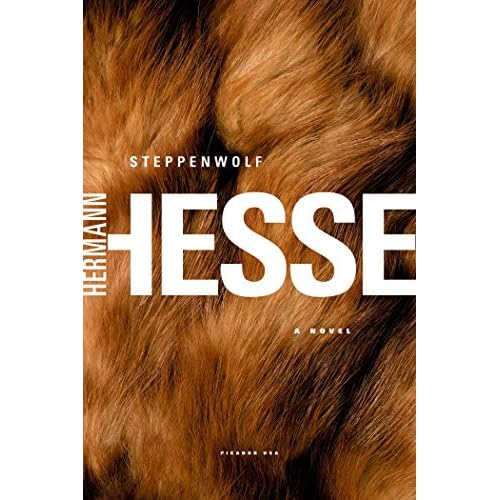
- Steppenwolf if you are in the middle of your life and it is not going well
Start with Siddhartha. It is 152 pages, the prose is deliberately simple, and it states the only question Hesse ever asked: whether wisdom can be handed over or must be lived. Choose Demian instead if the Jungian psychology is what drew you, and save Steppenwolf until midlife — it was written at fifty about being fifty.


Start here: Siddhartha
Hermann Hesse · 1922 · 152 pages
The most-read Hesse and the right first one for almost everyone. It is a spiritual search novel with no doctrine to sell — Siddhartha leaves the Buddha himself because he concludes that no one else’s answer can become his.
- Simple, almost fable-like prose
- Under 160 pages and structurally clear
- No knowledge of Buddhism or German literature required
- The central idea — that wisdom cannot be taught — lands immediately
- The Eastern setting is a Western projection of it
- Can read as naive to readers who want complexity
- Gives no sense of how strange Hesse becomes later
Hesse himself complained that Steppenwolf was most often read by the people least equipped for it. Siddhartha rewards readers at any stage; Demian speaks hardest to people leaving adolescence; Steppenwolf was written at fifty about being fifty.
Side by side
Picking the right entry point
Hesse wrote about specific passages — late adolescence, midlife, old age — and each novel is tuned to one of them.
The short novels carry the whole of Hesse’s thinking. The long one, The Glass Bead Game, assumes you are already committed.
Almost nothing happens externally in a Hesse novel. The events are changes of mind.
Hilda Rosner’s Siddhartha is the standard and reads beautifully; newer versions are more literal and less lyrical.
Which Hesse book should I read first?
Siddhartha, for most readers. It is short, the prose is simple, and it contains the question every other Hesse novel circles: whether meaning can be received from someone else or only found.
Is Siddhartha about Buddhism?
It is set in the Buddha’s lifetime and the Buddha appears as a character, but it is not a book of Buddhist doctrine. Siddhartha declines to become a follower, which is arguably the point.
Why is Steppenwolf so strange?
The novel deliberately fractures in its second half into something closer to a hallucination. Hesse was writing about a mind coming apart at fifty, and he built the form to match. Readers who want realism usually prefer Narcissus and Goldmund.
Did Hesse actually work with Jung?
He was analysed by J. B. Lang, a student of Jung, and later met Jung himself. Demian was written during that period and is usually read as the first novel to absorb analytical psychology directly.
The short version
- Siddhartha — 152 pages, the clearest door
- Demian — where depth psychology enters the novel
- Steppenwolf — the midlife book, best read at midlife
Siddhartha first, unless you have a specific reason not to. Demian if the Jungian material is what drew you to Hesse. Steppenwolf only if you are somewhere in the middle of your life and want a novel that knows it — and The Glass Bead Game once the rest has earned your patience.