The Best Books on Loneliness: What Actually Helps When You Feel Alone
Loneliness books split into three camps: the science of why isolation hurts, the practical work of rebuilding connection, and the rarer books that simply keep you company in it. The best shelf holds all three — here are eight, ranked, with honest notes on which kind of alone each one serves.
The best book on loneliness is Together by Vivek Murthy — the former US Surgeon General’s case that connection is a health issue, with concrete repair steps. Pair it with John Cacioppo’s Loneliness for the science, and Olivia Laing’s The Lonely City if what you need first is company rather than a program.
- Loneliness is a signal, not a verdict Cacioppo’s research reframes it as a biological alarm — like hunger or thirst — evolved to push us back toward the group, which is why ignoring it damages health.
- Connection is built, not found The practical books converge: quality beats quantity, initiative beats waiting, and the belief that others won’t want you is the distortion to attack first.
- Solitude and loneliness are different animals Storr and Maitland defend chosen aloneness as fertile ground — knowing which one you’re in is half the diagnosis.
This guide is part of our psychology books to understand yourself silo — and it borders the existential shelf, because Yalom counts isolation among the four givens no amount of company fully dissolves.
Why loneliness hurts — the science in brief
John Cacioppo spent a career showing that loneliness is not a character flaw but a biological signal — the social equivalent of hunger. Chronic loneliness raises stress hormones, degrades sleep, and carries mortality risks that public-health writers now compare to smoking. Worse, it is self-reinforcing: the lonely brain becomes hypervigilant to rejection, reads neutral faces as hostile, and withdraws further — a loop that Loneliness maps and Together turns into policy and practice.
The distinction the whole shelf turns on: loneliness is the gap between the connection you have and the connection you need — which is why it strikes married people and celebrities, and why solitude, freely chosen, is a different state entirely. Readers of this site will recognize the deeper layer: Yalom’s existential isolation, the unbridgeable gap between any two people, which no social calendar closes and which the best of these books have the honesty to acknowledge.
What actually helps — and which book to match to your situation
If you want a plan, start with Together: Murthy organizes the repair work around service, small daily contact, and the counterintuitive finding that helping others reliably beats waiting to be helped. Platonic is the tactical manual for the specific modern deficit — adult friendship — built on attachment research and blunt about the fact that friendships now survive only on purpose, never on autopilot. Both books insist on initiative, because the lonely brain’s prediction that you’ll be unwelcome is precisely the distortion the research disconfirms.
If a program feels premature, take the other door. The Lonely City is criticism-as-companionship — Laing alone in New York, reading her isolation through Hopper and Warhol, and proving a book can be company. The Art of Loving reframes the whole problem: Fromm argues loneliness is the human condition and love is the practiced art that answers it — not a feeling you fall into but a discipline you learn. And Storr’s Solitude defends the fertile, chosen kind of aloneness, so you can stop treating every hour by yourself as a symptom.
Independently researched and ranked by our editorial team. As an Amazon Associate, this site earns from qualifying purchases made through the links below.




#1: Together — Best overall
Vivek H. Murthy
The former US Surgeon General on loneliness as a public-health crisis — the science, the stories, and a practical architecture of reconnection built on service and small daily contact.
- A Surgeon General treating loneliness as a health crisis — instantly destigmatizing
- Balances research, patient stories, and workable repair practices
- The service insight — helping others beats waiting to be helped — is backed and actionable
- Warm without being soft; policy-literate without being dry
- Covers so much ground that no single thread goes maximally deep
- Some readers will want fewer anecdotes and more protocol
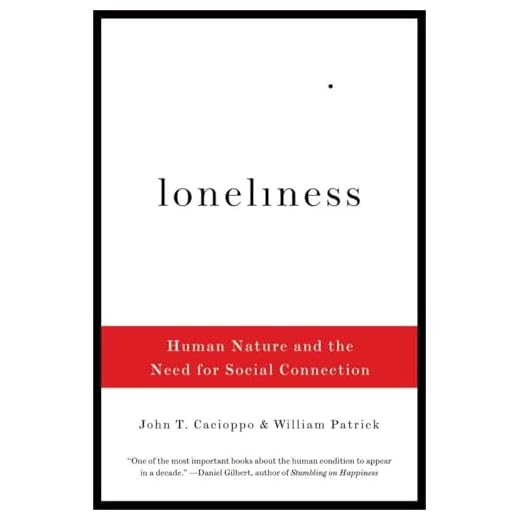
#2: Loneliness — Best on the science
John T. Cacioppo & William Patrick
The researcher who founded the field explains loneliness as a biological signal — why it evolved, how it becomes self-reinforcing, and what the hypervigilant lonely brain gets wrong.
- Written by the researcher who founded the scientific field
- The reframe — loneliness as biological signal, like hunger — dissolves shame on contact
- Explains the self-reinforcing loop: hypervigilance, misread faces, withdrawal
- Reads like the science book it is — slower than the practical shelf
- Light on step-by-step guidance; diagnosis is its strength
#3: The Lonely City — Best company
Olivia Laing
Laing, alone in New York, reads her isolation through Hopper, Warhol, and Wojnarowicz — art criticism that doubles as the most consoling book on this list. Not a program; a presence.
- The rare loneliness book that keeps you company instead of assigning homework
- Gorgeous criticism — Hopper, Warhol, Wojnarowicz read through isolation
- Honest about loneliness’s textures: shame, hunger, the glass wall
- Offers no program whatsoever — by design
- The art-history detours won’t hold readers who came for help
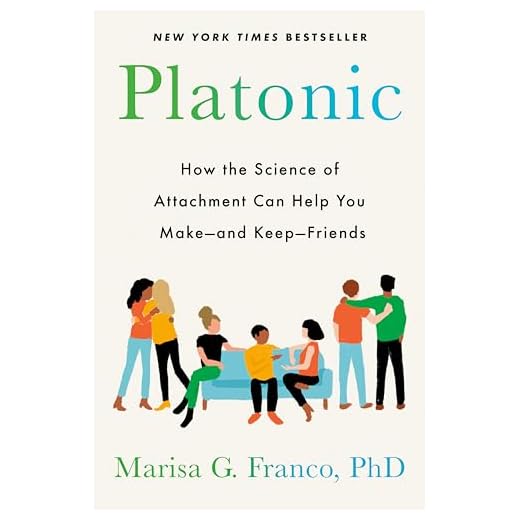
#4: Platonic — Best on friendship
Marisa G. Franco
Attachment science applied to the modern friendship deficit — why adult friendship survives only on purpose, and the concrete moves (initiative, vulnerability, repair) that build it.
- The only major book aimed squarely at adult friendship — the modern deficit
- Attachment theory applied practically: initiative, vulnerability, repair
- Blunt about the key fact — adult friendships survive on purpose, not autopilot
- Research citations sometimes carry more weight than they bear
- Less useful for readers whose deficit is romantic or familial
#5: Solitude: A Return to the Self — The counterargument
Anthony Storr
The psychiatrist’s classic defense of solitude — creativity, recovery, and the interior life — against the assumption that intimate relationships are the only source of a meaningful life.
- The classic corrective — chosen aloneness defended as fertile, not pathological
- Rich case studies of creative lives built on solitude
- Frees readers from treating every hour alone as a symptom
- 1988 psychoanalytic framing shows its age in places
- Can be misused as permission to stop trying by readers who are lonely, not solitary
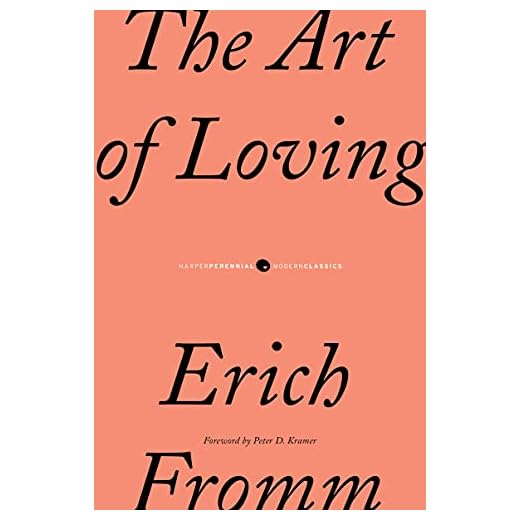
#6: The Art of Loving — The classic
Erich Fromm
Fromm’s 1956 masterpiece argues separateness is the human condition and love the discipline that answers it — care, responsibility, respect, knowledge — practiced, not fallen into.
- The existential reframe: separateness is the condition, love the practiced answer
- Slim, quotable, and permanently in print for a reason
- Turns loneliness from a waiting problem into a skill problem
- 1950s social commentary dates badly in stretches
- Abstract — readers wanting concrete steps must translate
2 more titles round out our list, all shown in the quick picks above: Bowling Alone by Robert D. Putnam (2000) — understanding the social collapse behind private loneliness; How to Be Alone by Sara Maitland (2014) — learning to enjoy aloneness rather than escape it.
How the top picks compare
|
Best overall
Together
|
Best on the science
Loneliness
|
Best company
The Lonely City
|
Best on friendship
Platonic
|
The counterargument
Solitude: A Return to the Self
|
|
|---|---|---|---|---|---|
|
|
|
|
|
|
|
| Our rating | 9.0 /10 | 8.9 /10 | 8.8 /10 | 8.7 /10 | 8.6 /10 |
| Format | Psychology / public health | Science | Memoir / art criticism | Psychology / self-help | Psychology |
| First published | 2020 | 2008 | 2016 | 2022 | 1988 |
| Price | $13.47 | $16.07 | $11.09 | $14.18 | $11.20 |
| BUY NOW | BUY NOW | BUY NOW | BUY NOW | BUY NOW |
How to choose a loneliness book
-
Program or companySome books hand you a plan; others sit with you. Both are legitimate medicine.Look forTogether or Platonic when you're ready to act; The Lonely City when you first need to feel less alone in being alone.AvoidForcing a workbook mindset in a season when what you can absorb is a voice.
-
Loneliness versus solitudeThe problem determines the shelf — unchosen isolation and unpeaceful aloneness need different books.Look forCacioppo and Murthy for the unchosen gap; Storr and Maitland if company exists but aloneness still frightens you.AvoidReading defenses of solitude as permission to stop trying — the lonely brain will happily misuse them.
-
Science toleranceThe shelf runs from neuroscience to art criticism.Look forLoneliness by Cacioppo if mechanisms motivate you; Fromm and Laing if meaning does.AvoidAbandoning the science books at the first cortisol chart — the reframe from character flaw to biology is the load-bearing gift.
How we chose these books
-
Firsthand reading
Rankings start from our editors’ full reads of every title on the list — including the slow middles and the failed first attempts — not from publisher copy.
-
Reader-review analysis
We mined verified-purchase reviews, Goodreads consensus, and Reddit reading threads for recurring, specific complaints: print size, abridgments, translation quality, abandonment points.
-
Edition comparison
Where multiple translations or editions exist, we compared them and linked the printing most readers should actually buy — and flagged the known trade-offs.
Which book on loneliness should I read first?
Together by Vivek Murthy — it combines the science, the destigmatizing reframe, and a practical path in one readable book. If you’re too raw for advice, start with The Lonely City instead; program books work better once you feel accompanied.
Can a book really help with loneliness?
Within limits, yes. Books reliably fix the two cognitive pieces: the shame (it’s biology, not defect) and the distorted prediction that others don’t want you. The behavioral piece — actual contact, initiative, service — the book can only assign. Every good book on this list is honest about that handoff.
What's the difference between loneliness and solitude?
Loneliness is the painful gap between the connection you have and the connection you need; solitude is aloneness chosen and inhabited peacefully. One is a signal to act, the other a capacity to build — Storr and Maitland argue the second is a strength the first often masks.
How does this connect to Yalom's existential isolation?
Yalom distinguishes everyday loneliness from existential isolation — the unbridgeable gap between any two people, one of his four givens of existence. Social repair helps the first; the second is answered not by more contact but by relationship deep enough to face the gap together. Love’s Executioner and Staring at the Sun work that seam.
Bottom line
Together for the plan, Cacioppo’s Loneliness for the science, The Lonely City for company, Platonic for friendship tactics, Fromm for the reframe, Storr for chosen solitude. Match the book to which kind of alone you are.