The Best Books on Stress: What It Does to You and What Actually Helps
The stress response is a brilliant system aimed at the wrong century: built for three minutes of sprinting from a lion, now switched on for months by mortgages, inboxes, and other things you can't outrun. The science of what that mismatch costs — and the growing evidence about mindset, recovery, and connection — fills a genuinely useful shelf. Eight books, ranked.
The best book on stress is Robert Sapolsky’s Why Zebras Don’t Get Ulcers — the definitive, darkly funny account of what chronic stress does to every system in your body. Add McGonigal’s The Upside of Stress for the mindset evidence, and the Nagoskis’ Burnout for completing the stress cycle in practice.
- The damage is in the duration Sapolsky’s core lesson: the stress response is healthy for minutes and corrosive over months — the same cortisol that saves you from the lion erodes cardiovascular, digestive, immune, and memory systems when it never switches off.
- Stress mindset measurably matters McGonigal’s synthesis: people who believe stress is enhancing show different physiology — more challenge response, less threat response — and better outcomes. The belief isn’t denial; it’s an intervention with data behind it.
- Dealing with the stressor isn't dealing with the stress The Nagoskis’ key distinction: you can resolve the problem and still carry the activation. The cycle completes through the body — movement, breath, connection, release — or it doesn’t complete at all.
This guide is part of our psychology books to understand yourself silo — your stress signature is autobiographical: what flips the switch, and what your body does next, is a record of what you’ve lived and what you believe is at stake.
What chronic stress actually does
Sapolsky’s zebra frames the whole field. The acute response is magnificent engineering — glucose mobilized, heart rate up, digestion and repair deferred — because the zebra’s problem lasts three minutes and then is over, one way or the other. Humans, uniquely, can run the same physiology on anticipation: memory, imagination, and mortgage statements keep the axis firing for months, and systems built for deferral — immunity, digestion, tissue repair, even hippocampal memory — pay the compounding bill. That’s the mechanism behind stress’s links to hypertension, metabolic disorder, and depression.
Maté’s When the Body Says No adds the psychosomatic wing: his clinical observation that chronic illness clusters among the relentlessly nice — the repressers of anger, the compulsively self-sacrificing — because unexpressed emotion is itself a chronic stressor. And the social gradient runs through everything: Sapolsky is blunt that poverty, low control, and low status are the most reliable chronic stressors on earth, which keeps the field honest about how much is breathing technique and how much is circumstance.
What actually helps — the evidence-backed shelf
Two reframes lead. McGonigal’s Upside of Stress assembles the mindset data — viewing the racing heart as resources being mobilized shifts physiology toward the healthier challenge response, and stressed people who help others show strikingly better outcomes (her tend-and-befriend chapter is the best in the book). The Nagoskis’ Burnout contributes the cycle: stressors end, but the activation must be discharged through the body — exercise, crying, laughter, affection — a directly usable idea their book turns into daily practice.
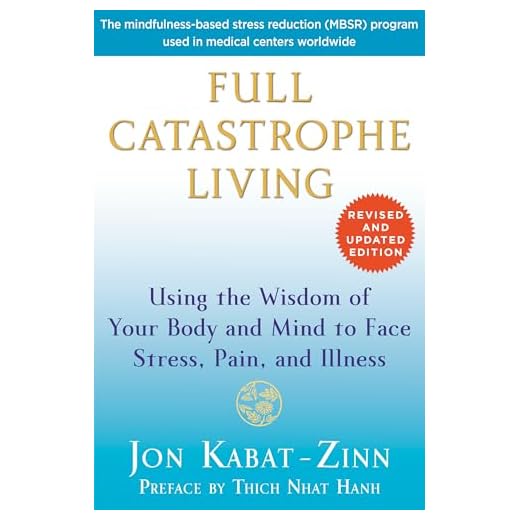
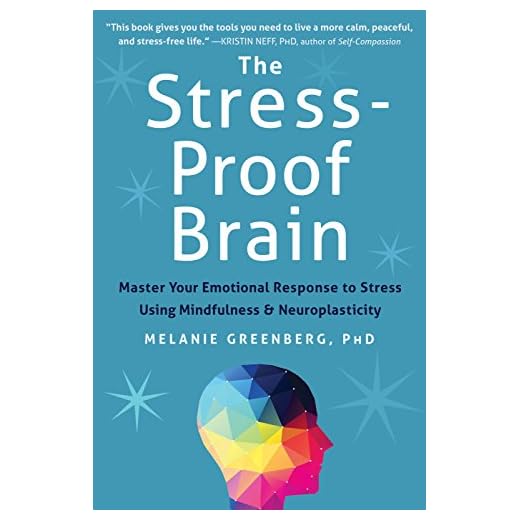
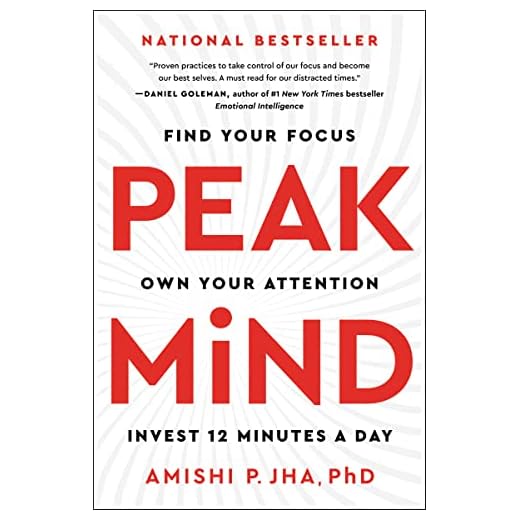
Then the practice wing. Kabat-Zinn’s Full Catastrophe Living remains the eight-week MBSR program in book form — the most-studied stress-reduction curriculum in existence. Greenberg’s Stress-Proof Brain packages the CBT-plus-mindfulness toolkit with unusual clarity about which tool fits which moment. Benson’s Relaxation Response is the 1975 original — the physiological off-switch, documented before wellness was an industry — and Jha’s Peak Mind adds the attention science: twelve minutes of practice protecting working memory under pressure, tested on soldiers and surgeons rather than retreat-goers.
Independently researched and ranked by our editorial team. As an Amazon Associate, this site earns from qualifying purchases made through the links below.




#1: Why Zebras Don't Get Ulcers — Best overall
Robert M. Sapolsky
Sapolsky’s classic: the acute response as brilliant engineering, the chronic version as slow demolition — system by system, with the best jokes in science writing. The one stress book everyone should read.
- The definitive mechanism tour — cardiovascular, metabolic, immune, memory — system by system
- Genuinely funny science writing that never cheats the science
- Blunt about the social gradient: status, control, and poverty as the real chronic stressors
- The acute-versus-chronic frame reorganizes how you think about your own load
- Long, and the physiology chapters demand attention
- Light on intervention — it diagnoses brilliantly and prescribes briefly
#2: The Upside of Stress — Best reframe
Kelly McGonigal
McGonigal’s honest synthesis: believing stress enhances performance shifts actual physiology, and tending to others under stress protects the tender. Not denial — an intervention with data.
- The mindset data is real and carefully presented — challenge versus threat physiology
- Tend-and-befriend chapter is the best account of stress-driven connection in print
- Practical reframes that work in the moment — resources mobilizing, not system failing
- Honest about the studies’ limits, rare for the genre
- Can be misread as stress apologetics — she guards against it, readers still do it
- Repetitive middle third; the core argument is a long essay’s worth
#3: Burnout: The Secret to Unlocking the Stress Cycle — Best on recovery
Emily Nagoski & Amelia Nagoski
The Nagoskis’ central distinction — dealing with the stressor versus discharging the stress — plus the bodily completions that actually close the loop: movement, breath, laughter, affection.
- The stress-cycle insight genuinely moves the needle — stress and stressors are separate problems
- Completion practices are physical, free, and doable tonight
- Honest about the structural half — not another self-optimization manual
- Science translated without being diluted
- Addressed primarily to women; the mechanism is universal but the framing isn’t
- Some chapters drift from the core argument
#4: Full Catastrophe Living — The program
Jon Kabat-Zinn
The eight-week mindfulness-based stress reduction program in book form: body scan, sitting practice, mindful movement, and the attitude work underneath. Forty years of trials stand behind it.
- The complete MBSR curriculum — the clinically validated eight-week program in full
- Deep, humane coverage of chronic pain, stress, and illness
- The evidence-based anchor of the entire genre
- Over 600 pages — it is a course, not a read
- Even revised, its structure shows the 1990 original’s bones
#5: When the Body Says No — The psychosomatic wing
Gabor Maté
Maté’s clinical pattern: chronic illness clustering among the relentlessly self-sacrificing, and the case that unexpressed emotion is itself chronic stress. Provocative, humane, worth arguing with.
- The somatic case made fully — chronic self-suppression surfaces as illness
- Case histories that high-functioning readers recognize with a chill
- Connects burnout to the people-pleasing pattern underneath it
- Pushes correlations harder than the evidence always warrants
- Can read as blaming illness on personality if taken carelessly
#6: The Stress-Proof Brain — Best toolkit
Melanie Greenberg
Greenberg’s practical manual: calming the amygdala first, then the prefrontal work — reappraisal, values, self-compassion — with unusual clarity about which tool fits which kind of stress.
- Matches tools to moments: amygdala-calming first, prefrontal reappraisal second
- Integrates CBT, mindfulness, and self-compassion without tribal loyalty
- Clear neuroscience framing that motivates without overclaiming
- Good on chronic stressors — health, money, caregiving — not just acute spikes
- Workbook-adjacent dryness; less voice than the shelf’s stars
- Covers familiar ground for readers who already know CBT and MBSR
2 more titles round out our list, all shown in the quick picks above: The Relaxation Response by Herbert Benson (1975) — the physiological off-switch, documented in 1975; Peak Mind by Amishi P. Jha (2021) — twelve minutes a day, tested on soldiers and surgeons.
How the top picks compare
|
Best overall
Why Zebras Don't Get Ulcers
|
Best reframe
The Upside of Stress
|
Best on recovery
Burnout: The Secret to Unlocking the Stress Cycle
|
The program
Full Catastrophe Living
|
The psychosomatic wing
When the Body Says No
|
|
|---|---|---|---|---|---|
|
|
|
|
|
|
|
| Our rating | 9.4 /10 | 8.7 /10 | 8.8 /10 | 8.9 /10 | 8.5 /10 |
| Format | Science | Psychology / science | Psychology / self-help | Mindfulness / program | Medicine / psychology |
| First published | 2004 | 2015 | 2019 | 1990 | 2003 |
| Price | $12.95 | $10.17 | $9.07 | $11.60 | $11.81 |
| BUY NOW | BUY NOW | BUY NOW | BUY NOW | BUY NOW |
How to choose a stress book
-
Understanding or interventionMechanism books and practice books do different jobs.Look forSapolsky to understand what's happening in your body; Kabat-Zinn, Greenberg, or the Nagoskis when you need a program to run.AvoidReading mechanism as if it were treatment — knowing what cortisol does is motivating, but the change comes from practice.
-
Your stress is acute or ambientA crisis and a grinding season need different tools.Look forThe Nagoskis and Benson for daily discharge and recovery; McGonigal when a high-stakes stretch needs reframing rather than escape.AvoidPure relaxation for a load problem — if the stressor is structural (work, money, caregiving), technique helps and boundaries help more.
-
Honesty about circumstanceThe best books admit how much stress is situation, not attitude.Look forAuthors who name control, status, and support as the real levers — Sapolsky is exemplary — while still offering what's in your hands.AvoidMindset framing that quietly blames the stressed — believing in stress's upside helps; it doesn't repeal a punishing situation.
How we chose these books
-
Firsthand reading
Rankings start from our editors’ full reads of every title on the list — including the slow middles and the failed first attempts — not from publisher copy.
-
Reader-review analysis
We mined verified-purchase reviews, Goodreads consensus, and Reddit reading threads for recurring, specific complaints: print size, abridgments, translation quality, abandonment points.
-
Edition comparison
Where multiple translations or editions exist, we compared them and linked the printing most readers should actually buy — and flagged the known trade-offs.
Which stress book should I read first?
Why Zebras Don’t Get Ulcers — it explains the machinery everything else works on, and it’s the most entertaining science book on the shelf. Then Burnout for daily recovery practice, or The Upside of Stress before a high-stakes season.
Is stress actually bad for you?
Chronic stress is — months of activation erode cardiovascular, immune, digestive, and memory systems. Acute stress is different: the response evolved to help, and McGonigal’s evidence shows people who view it as enhancing get physiology closer to challenge than threat. The dose and the duration, not the arousal itself, make the poison.
What's the fastest evidence-backed way to reduce stress?
For the moment: slow exhale-weighted breathing — it’s the quickest lever on the parasympathetic system. For the day: the Nagoskis’ cycle completions, with exercise the best documented. For the long run: Benson’s response or Kabat-Zinn’s MBSR practiced daily, plus the unglamorous levers — sleep, movement, and people you can tell the truth to.
Can stress cause physical illness?
It contributes — the links to hypertension, metabolic syndrome, immune suppression, and depression are well documented, and Maté argues chronic emotional repression belongs on that list. Contribution isn’t sole causation: genes, circumstance, and exposure matter too. The practical takeaway is unchanged — treating chronic stress is healthcare, not indulgence.
Bottom line
Sapolsky for the machinery, McGonigal for the mindset data, the Nagoskis for completing the cycle, Kabat-Zinn for the program. The response was built for three minutes of lion; the skill is switching it off in a world that never quite does.