What Is CBT? Cognitive Behavioral Therapy Explained (and the 4 Books to Read)
CBT is the most researched form of psychotherapy on earth — the default treatment for depression and anxiety in most guidelines. Here is what it actually claims, where it came from, and the four books that teach it honestly.
CBT — cognitive behavioral therapy — treats emotional problems by changing the distorted thoughts and avoidant behaviors that maintain them. The best CBT book for general readers is David Burns’s Feeling Good (1980), with Mind Over Mood as the best structured workbook and Judith Beck’s Basics and Beyond as the clinical standard.
- The core claim Feelings follow interpretations, not events — change the distorted interpretation and the feeling shifts.
- Evidence king, depth skeptic CBT has the largest trial base in psychotherapy; its critics say it treats the symptom and leaves the person unexamined.
- Two reader paths Feeling Good to read your way in; Mind Over Mood to work your way through.
This explainer is part of our best books for therapists silo — CBT is the school every therapist must know, even the ones who practice against it.
What CBT actually claims
The model fits on an index card: situations don’t cause feelings directly — our automatic interpretations of them do, and those interpretations are often systematically distorted. Aaron Beck catalogued the distortions (all-or-nothing thinking, catastrophizing, mind-reading) in depressed patients in the 1960s; the therapy teaches you to catch, test, and revise them like a scientist of your own mind. The behavioral half adds exposure and activation: do the avoided thing, and the belief updates faster.
A standard course is short — twelve to twenty structured sessions with homework. That structure is why CBT dominates the research literature: it can be manualized, trialed, and delivered at scale, including through self-help books that genuinely work — bibliotherapy trials of Feeling Good found measurable effects on depression.
Where CBT stops, and what the existentialists add
Honest guides mention the limits. CBT is superb at symptom relief and less interested in the questions underneath — why this person, why this despair, what the symptom means in a whole life. Yalom’s critique of symptom-focused therapy runs through The Gift of Therapy: technique can relieve the panic while leaving the person unmet.
The mature position is not either/or. Many working therapists use CBT tools inside a deeper relationship — and the third-wave descendants (DBT, ACT) have already folded acceptance, values, and mindfulness back into the cognitive frame. Read one real CBT book to know the machinery; read the existentialists to remember what it’s for.
Independently researched and ranked by our editorial team. As an Amazon Associate, this site earns from qualifying purchases made through the links below.


#1: Feeling Good — The classic
David D. Burns
The 1980 paperback that put CBT in the water supply — the ten distortions, the thought record, and a tone that has aged better than its cover. One of the few self-help books with clinical trials behind it.
- The best-selling CBT book ever — the one with actual clinical-trial evidence that reading it reduces depression
- The ten cognitive distortions list remains the most useful two pages in self-help
- Burns’s warmth keeps a technique-heavy book humane
- Very 1980 in examples and voice; the chapters on medication are outdated
- Long-winded — the core method is a third of the page count
#2: Mind Over Mood — Best workbook
Dennis Greenberger & Christine A. Padesky
The workbook most often assigned by actual CBT therapists — thought records, behavioral experiments, and mood tracking in a disciplined second edition. Less voice than Burns, more system.
- The gold-standard CBT workbook — thought records taught step by step, used in clinics worldwide
- Second edition adds anxiety-specific chapters, worry logs and gratitude work
- Skill-check quizzes let readers verify they’ve actually learned each tool
- Workbook dryness — no narrative pull, so unstructured readers drift off
- Best with a therapist assigning chapters; solo pacing is on you
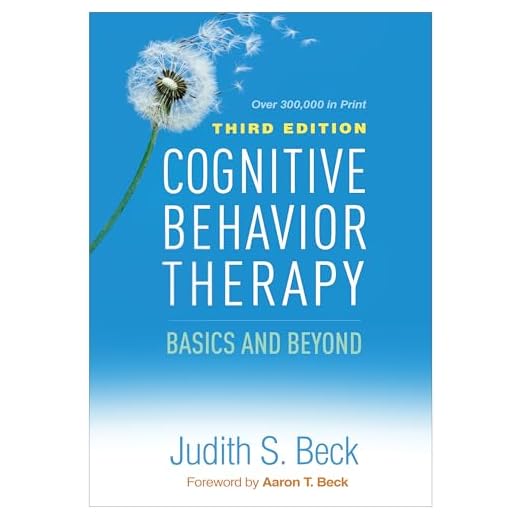
#3: Cognitive Behavior Therapy: Basics and Beyond — The clinical standard
Judith S. Beck
The standard training text, written by Aaron Beck’s daughter and collaborator — session structure, case conceptualization, and technique in the third edition every CBT course assigns.
- The standard CBT training text — Judith Beck teaching the therapy her father founded
- Third edition integrates the recovery orientation and strengths focus, with a full case threaded through
- Session transcripts and worksheets make the abstract concrete for trainees
- A textbook, priced and written as one — not for general readers
- The single running case can feel tidy compared with messy real practice
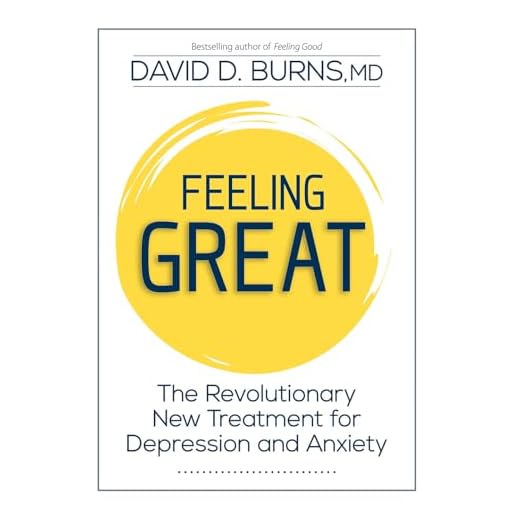
#4: Feeling Great — The update
David D. Burns
Burns forty years on — TEAM-CBT, with its striking twist that resistance to change is the first target: your symptoms are trying to protect something. Uneven, but full of live clinical thinking.
- Burns’s 40-years-later upgrade — adds positive reframing: your symptoms express your values, not your defects
- TEAM-CBT’s resistance work answers the classic CBT complaint that clients know the tools and still don’t use them
- Full of verbatim dialogues that show the method live
- Bulky and repetitive; the self-congratulation grates on some readers
- The rapid-recovery claims run ahead of the evidence base
How to choose a CBT book
-
Reading vs. workingCBT self-help splits between books you read and books you fill in.Look forFeeling Good if you learn by reading; Mind Over Mood if you learn by doing worksheets.AvoidBuying both at once — finish one; the overlap is nearly total.
-
Problem fitClassic CBT books target depression and anxiety; other problems need adapted protocols.Look forBurns or Greenberger/Padesky for low mood and worry — the home turf where the evidence is strongest.AvoidExpecting a general CBT book to handle trauma or personality patterns — see our trauma and DBT guides instead.
-
CurrencyCBT has evolved; editions matter more than in most fields.Look forMind Over Mood second edition and Basics and Beyond third edition.AvoidDismissing Feeling Good for its age — the core method is intact, and trials used the original.
How we chose these books
-
Firsthand reading
Rankings start from our editors’ full reads of every title on the list — including the slow middles and the failed first attempts — not from publisher copy.
-
Reader-review analysis
We mined verified-purchase reviews, Goodreads consensus, and Reddit reading threads for recurring, specific complaints: print size, abridgments, translation quality, abandonment points.
-
Edition comparison
Where multiple translations or editions exist, we compared them and linked the printing most readers should actually buy — and flagged the known trade-offs.
What is CBT in simple terms?
Cognitive behavioral therapy is a structured, short-term talking therapy built on one idea: your interpretations of events, not the events themselves, drive your moods — and interpretations can be caught, tested, and changed. It adds behavioral work (facing avoided situations, scheduling activity) because action changes belief fastest.
Does CBT actually work?
For depression and anxiety disorders, CBT has the strongest trial evidence of any psychotherapy, with effects comparable to medication for many patients and better relapse prevention. It is not a cure-all — outcomes are weaker for complex trauma and personality patterns, where longer or adapted treatments do better.
Can I do CBT on myself with a book?
For mild to moderate depression or anxiety, yes — guided self-help CBT is supported by trials, and Feeling Good and Mind Over Mood are the two books with the best track record. For severe symptoms, suicidal thinking, or trauma, a book is a supplement, not a substitute.
What is the difference between CBT and DBT or ACT?
DBT and ACT are third-wave descendants of CBT. Classic CBT disputes distorted thoughts directly; DBT adds acceptance, mindfulness, and crisis-survival skills for emotional dysregulation; ACT drops the disputing entirely and teaches you to hold thoughts lightly while acting on your values.
Bottom line
CBT says feelings follow thoughts, and thoughts can be retrained — a claim with forty years of trials behind it. Read Feeling Good or work through Mind Over Mood; clinicians add Beck’s Basics and Beyond. Then read Yalom for everything the index card leaves out.