Yalom’s 11 Therapeutic Factors in Group Therapy, Explained
Yalom did not invent the therapeutic factors. He asked patients which parts of group therapy had actually helped them, and then published what they said — including the parts that contradicted the theory of the day.
The eleven factors first appeared in The Theory and Practice of Group Psychotherapy in 1970 and have survived six editions largely intact. They are the most-cited framework in group work and the reason the book is still assigned fifty-five years later.
- All eleven factors, defined in plain language
- Which ones patients rank highest, and which surprised the field
- Where to read Yalom's own account of each
Yalom identified eleven therapeutic factors: instillation of hope, universality, imparting information, altruism, corrective recapitulation of the primary family group, development of socialising techniques, imitative behaviour, interpersonal learning, group cohesiveness, catharsis, and existential factors. Interpersonal learning is the mechanism; cohesiveness is the precondition that makes the rest possible.


Start here: The Theory and Practice of Group Psychotherapy
Yalom & Leszcz · 6th ed. 2020 · 640 pages
The book the factors come from, now in its sixth edition with Molyn Leszcz. If you are studying group therapy this is not optional reading — it is the text your exam questions are drawn from, and it is unusually well written for a standard reference.
- The primary source for all eleven factors
- Sixth edition is substantially updated with current evidence
- Written in clear prose rather than textbook register
- Covers online and time-limited groups in the current edition
- 640 pages is a commitment
- Priced as a textbook
- More depth than a general reader needs
Instillation of hope; universality; imparting information; altruism; corrective recapitulation of the primary family group; development of socialising techniques; imitative behaviour; interpersonal learning; group cohesiveness; catharsis; and existential factors. Yalom treats cohesiveness as the condition that makes the others possible rather than as one item on a flat list.
Side by side
|
The source
The Theory and Practice of Group Psychotherapy
|
In fiction
The Schopenhauer Cure
|
Acute settings
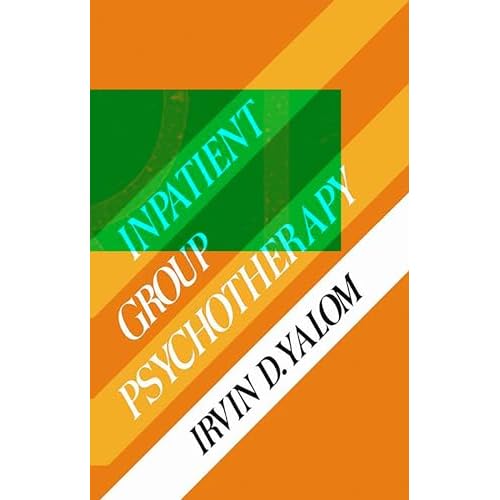
Inpatient Group Psychotherapy
|
|
|---|---|---|---|
|
|
|
|
|
| Format | Textbook | Novel | Clinical manual |
| Length | 640 pages | 358 pages | 476 pages |
| Difficulty | 7 /10 | 3 /10 | 8 /10 |
| Standard academic citation | Yes | No | Yes |
| Price | $10.60 | $9.51 | $29.99 |
| BUY NOW | BUY NOW | BUY NOW |
Picking the right entry point
It is the most complex factor and the one the others orbit. Understanding the social microcosm idea makes the rest fall into place quickly.
Exam answers that list cohesiveness as simply the ninth factor miss Yalom’s actual argument about it.
The factors are stable across editions but the supporting evidence is not. The sixth edition is the current one.
The eleventh factor is often dropped from summaries, which is odd given who wrote the list.
What are Yalom's 11 therapeutic factors?
Instillation of hope, universality, imparting information, altruism, corrective recapitulation of the primary family group, development of socialising techniques, imitative behaviour, interpersonal learning, group cohesiveness, catharsis, and existential factors. They were first published in 1970 and remain the standard framework.
Which therapeutic factor do patients rank highest?
In Yalom’s original Q-sort research, interpersonal learning, catharsis and cohesiveness clustered at the top, while imitative behaviour and imparting information ranked low — a result that ran against how group therapy was being taught at the time.
Are there 11 or 12 therapeutic factors?
Eleven in Yalom’s own numbering. The confusion comes from self-understanding, which some summaries split out as a separate factor and which Yalom treats as part of interpersonal learning.
How do I cite the therapeutic factors in APA?
Yalom, I. D., & Leszcz, M. (2020). The theory and practice of group psychotherapy (6th ed.). Basic Books. Cite the specific edition you consulted, since the supporting evidence differs between them.
The short version
- Eleven factors, first published 1970, still standard
- Interpersonal learning is the mechanism; cohesiveness is the precondition
- Cite the sixth edition, 2020, with Leszcz
The eleven factors are the most durable thing Yalom produced, and they have lasted because they came out of asking patients rather than out of a theory. Learn interpersonal learning and cohesiveness properly and the other nine take an afternoon.